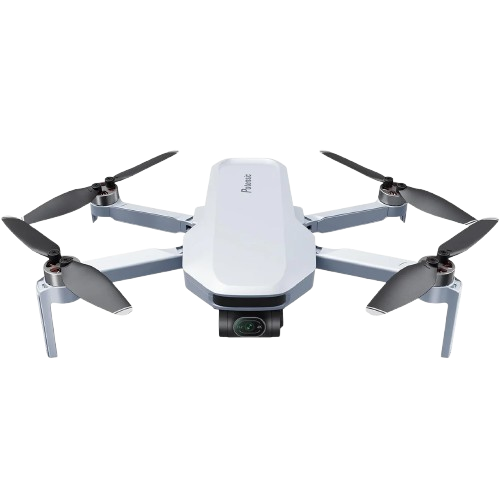

The explosion of UAV tactics (from micro FPV swarms to long-range suicide UAVs) inevitably leads to a parallel arms race: technology to detect, intercept and neutralize aerial threats. This field is called Counter-Unmanned Aircraft Systems (C-UAS). Solving the C-UAS problem is not simply about deploying firepower, but requires a complex multi-layered defense network combining sensors, electronic warfare and directed energy weapons.
1. The Powerlessness of Traditional Air Defense Networks
Strategic air defense missile systems are designed to track and destroy fighter aircraft or ballistic missiles flying at supersonic speeds with large Radar Reflection Area (RCS). When facing modern UAVs, they encounter fatal blind spots:
-
RCS is too small: Innovative commercial drones are often made of plastic or carbon fiber, about the size of a large bird, causing traditional radar waves to pass through or bounce back too weakly for noise filters to distinguish from their surroundings.
-
Asymmetric costs: Using a multimillion-dollar missile to shoot down a drone carrying a grenade is logistical suicide.
[Illustration: Graphic showing a radar cross section (Radar Cross Section) comparing a giant jet fighter and a small plastic quadcopter, showing the difference in reflected waves returning to the receiving station.]
2. Sensor Network: Detection and Monitoring Phase (Detect
-
-
Radio Frequency Sensors (RF Scanners): Passively scan the frequency range to detect communication waves between the UAV and the ground operator. This method can help locate the pilot’s position.
-
-
Acoustic Sensors: Uses a directional microphone to detect the characteristic “buzzing” sound of drone propellers.
3. Soft Kill Measures
Radio Frequency Sensors (RF Scanners): Passively scan the frequency range to detect communication waves between the UAV and the ground operator. This method can help locate the pilot’s position.
Acoustic Sensors: Uses a directional microphone to detect the characteristic “buzzing” sound of drone propellers.
This method focuses on disrupting the aircraft’s nervous system rather than destroying its physical structure.
-
RF Jamming: Releases a powerful beam of electromagnetic energy that overrides the UAV’s control and video transmission frequency, causing it to disconnect. Normally, the aircraft will automatically activate the “Return to Home” feature or freely fall to the ground.
-
GPS Spoofing: Emitting a fake satellite signal that is stronger than the real GPS signal, fooling the UAV’s processor into thinking it is at a different coordinate (for example, in an airport no-fly zone). The drone will automatically make an emergency landing or fly completely off course.
[Illustration: A soldier is pointing an anti-drone gun system shaped like a large rifle with antennas pointed at the sky, emitting invisible electromagnetic waves that paralyze a flying drone.]
4. Hard Kill
When electronic suppression fails (especially with military UAVs flying with inertial or pre-programmed navigation systems), physical solutions will be activated:
-
Small caliber self-propelled air defense (SPAAG): Uses multi-barreled artillery systems combined with high-explosive fragmentation shells (airburst). The bullet will explode, creating a cloud of fragments right in the UAV’s flight path, tearing apart the body without direct collision.
5. The Future of C-UAS: Directed Energy Weapons (DEW)
The final key to completely solve the asymmetric economic problem of UAV swarms is Directed Energy Weapons.
-
High Power Laser Weapon (HEL): Uses liquid static laser beams with power from 10kW to 100kW focused on the UAV body. The extreme heat from the laser will burn the casing, melt the circuit or detonate the explosive charge in just a few seconds. The cost for each laser “shot” is only a few dollars in generator electricity, providing unlimited ammunition as long as the system has an energy supply.
-
High-Power Microwave (HPM – High-Power Microwave): Instead of burning the target like a laser, the HPM weapon emits a wide-area electromagnetic pulse, overloading and frying the entire electronic circuit of all UAVs within the beam’s scanning range. This is considered the ultimate weapon to neutralize giant swarm attack tactics.